
Welcome to the Shih Tzu family
Bringing a Shih Tzu puppy home is one of the most exciting milestones a dog lover can experience. These small, expressive dogs form deep bonds quickly — and the first weeks you spend together set the tone for years of trust and companionship.
This guide covers the health and development topics Renee hears about most often, along with practical guidance for preparing your home and supporting your puppy through the normal stages of early life. Knowing what's typical — and what to watch for — helps you respond confidently instead of anxiously.

Hernias: what they are and when to act
Hernias are among the most commonly discussed topics for new Shih Tzu owners, and the good news is that most are minor and manageable.
A hernia occurs when a small amount of tissue — usually fat, and rarely an organ — pushes through a weak spot or natural opening in the surrounding muscle wall. In puppies, the two types you're most likely to encounter are:
- Umbilical hernias — appear at the belly button (umbilicus). These are the most common type in puppies of any breed, may be present at birth or develop within the first few weeks of life, and in many cases reduce or close on their own as the puppy grows. Small umbilical hernias that don't self-resolve are routinely and safely repaired at the time of spay or neuter.
- Inguinal hernias — appear in the groin area. Less common than umbilical hernias, they can occur on one or both sides and are seen somewhat more often in females, though males can develop them too.
In rare cases, a hernia can become incarcerated — meaning tissue becomes trapped — or strangulated, meaning the blood supply to the herniated tissue is compromised. These situations are veterinary emergencies and require immediate care. Signs of concern include a hernia that suddenly becomes hard, hot, painful to the touch, or changes color. This is uncommon but important to know.
Experienced Shih Tzu breeders and many veterinarians consider small hernias a minor conformational fault rather than a health crisis. Most puppies with a small hernia live full, healthy lives with no complications and no intervention beyond monitoring.

Pinched nostrils, stenotic nares & development
The Shih Tzu is a brachycephalic (flat-faced) breed, which means their skull structure can influence airway anatomy. One area owners sometimes notice is the nostrils — specifically, young puppies may appear to have narrower-than-expected openings, a condition called stenotic nares.
Stenotic nares are classified as part of Brachycephalic Airway Obstructive Syndrome (BAOS), a spectrum of anatomical features that brachycephalic breeds may have to varying degrees. The important distinction is that severity varies enormously — from puppies with mildly narrow nostrils who breathe and thrive without issue, to rare cases that require surgical correction.
Key things to watch:
- Puppies who are active, eating normally, sleeping comfortably, and exercising without distress are typically fine and should simply be monitored over time.
- Because the head and facial structure continue developing throughout puppyhood, veterinarians will often recommend reassessment at 6–12 months before recommending any intervention — nostrils frequently open further as the puppy matures.
- If a puppy shows significant labored breathing at rest, blue-tinged gums, extreme exercise intolerance, or cannot settle comfortably to sleep, veterinary evaluation should not be delayed.
Renee monitors every puppy's development carefully before placement and will be transparent about anything she observes. If a puppy shows no signs of breathing difficulty, daily life is no different than for any other small dog.

Teething: what's normal and what to watch for
Shih Tzu puppies begin losing their baby teeth and erupting adult teeth between about 3 and 7 months of age. During this period, owners often notice a variety of changes that can seem alarming but are a normal part of development.
Common and expected during teething:
- Increased chewing — puppies seek pressure on the gums to relieve discomfort.
- Mild gum redness or swelling at the site of erupting teeth.
- Drooling more than usual.
- Slight congestion, snorting, or noisy breathing — teething can temporarily affect nasal passages due to proximity of dental roots to nasal structures in brachycephalic breeds.
- Small amounts of clear nasal discharge.
- Mild changes in appetite or temporary food pickiness.
For flat-faced breeds like the Shih Tzu, teething can also temporarily make any pre-existing mild airway narrowing seem more pronounced. This is usually short-lived — as adult teeth settle and swelling resolves, breathing typically normalizes.
What's not normal: green or yellow nasal discharge, labored breathing that doesn't improve, refusal to eat for more than 24 hours, or signs of significant pain. These warrant a veterinary call.
Offering safe chew toys — rubber rings, frozen carrots, or puppy-specific teething toys — helps relieve discomfort and directs chewing away from furniture and shoes.
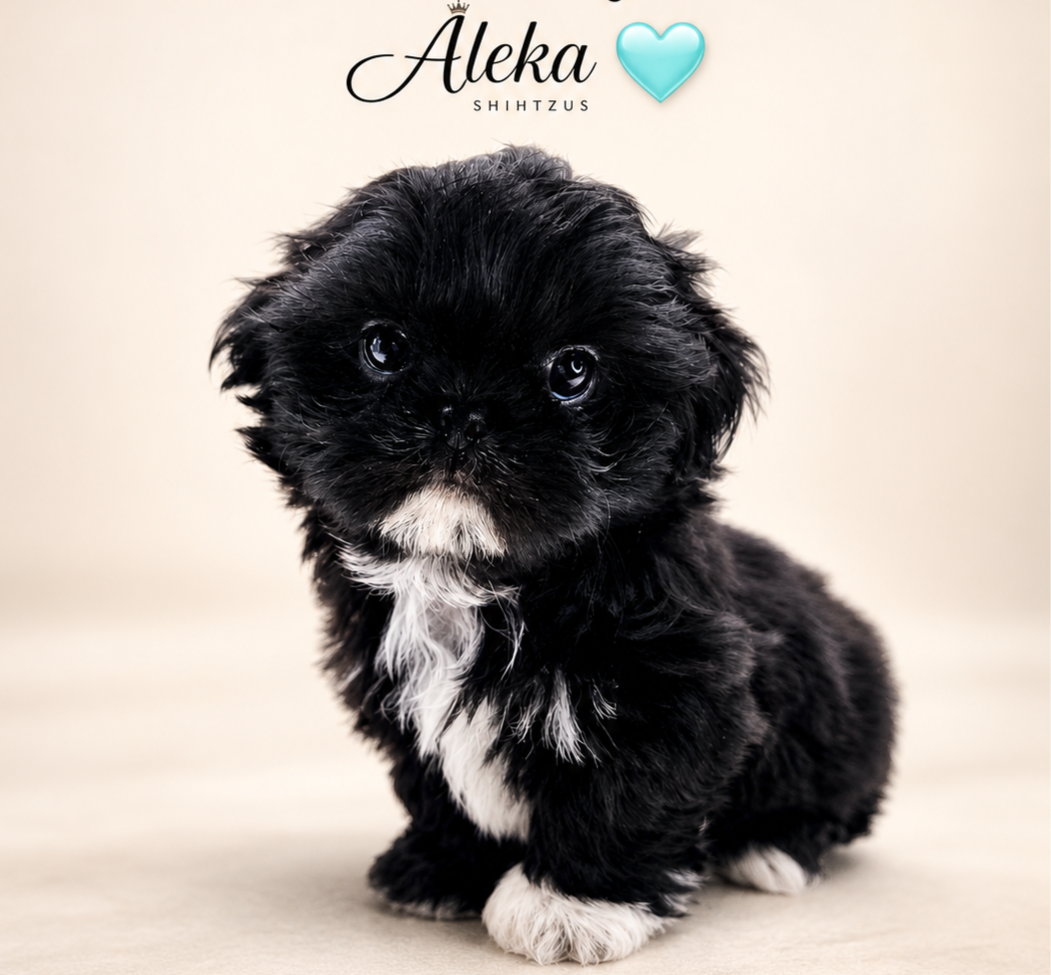
Reverse sneezing: alarming to watch, harmless to experience
Reverse sneezing is one of the most startling things a new Shih Tzu owner encounters — and one of the most frequently Googled in the middle of the night.
A normal sneeze forcefully pushes air out through the nose. A reverse sneeze does the opposite: the dog rapidly pulls air in through the nose in a series of snorts, often standing rigid with the neck extended and the elbows splayed. An episode can last five seconds to a minute and sounds far worse than it is.
Reverse sneezing in Shih Tzus is typically triggered by:
- Excitement or sudden activity
- Eating or drinking too quickly
- Environmental irritants — dust, pollen, perfume, cleaning products
- Post-nasal drip or mild irritation of the soft palate
- Changes in temperature or humidity
How to help during an episode: gently cup your hands over the muzzle for a moment to encourage a swallow, softly massage the throat, or briefly cover the nostrils so the dog swallows. Most episodes resolve on their own within 30–60 seconds.
Reverse sneezing is not dangerous. It doesn't cause injury and doesn't indicate illness. If episodes are happening many times daily, becoming longer, or you're seeing other symptoms alongside them, mention it at your next vet visit — but isolated episodes are simply part of life with a flat-faced breed.

Hypoglycemia (low blood sugar) in toy breed puppies
Toy breeds like the Shih Tzu have small stomachs and very little fat reserve, which makes them more susceptible to hypoglycemia — a drop in blood sugar — especially before 16 weeks of age.
Early signs to recognize:
- Sudden lethargy or weakness — a normally active puppy that abruptly won't move
- Shaking, trembling, or muscle twitching
- Glassy eyes or disorientation
- Stumbling or loss of coordination
- Pale gums
If you see early signs and the puppy is still conscious and able to swallow: rub a small amount of honey, Karo syrup, or plain sugar water directly on the gums. Do not leave the puppy unattended. If they don't improve within 15–20 minutes, or if they're unconscious or seizing, this is an emergency — get to a vet immediately.
Prevention is straightforward: feed small meals frequently throughout the day (every 4–6 hours minimum for very young puppies), keep stress low during the adjustment period, and make sure the puppy is eating well before extended play or activity.
Puppies generally grow out of hypoglycemia risk by 4–6 months as their body composition and metabolism stabilize.
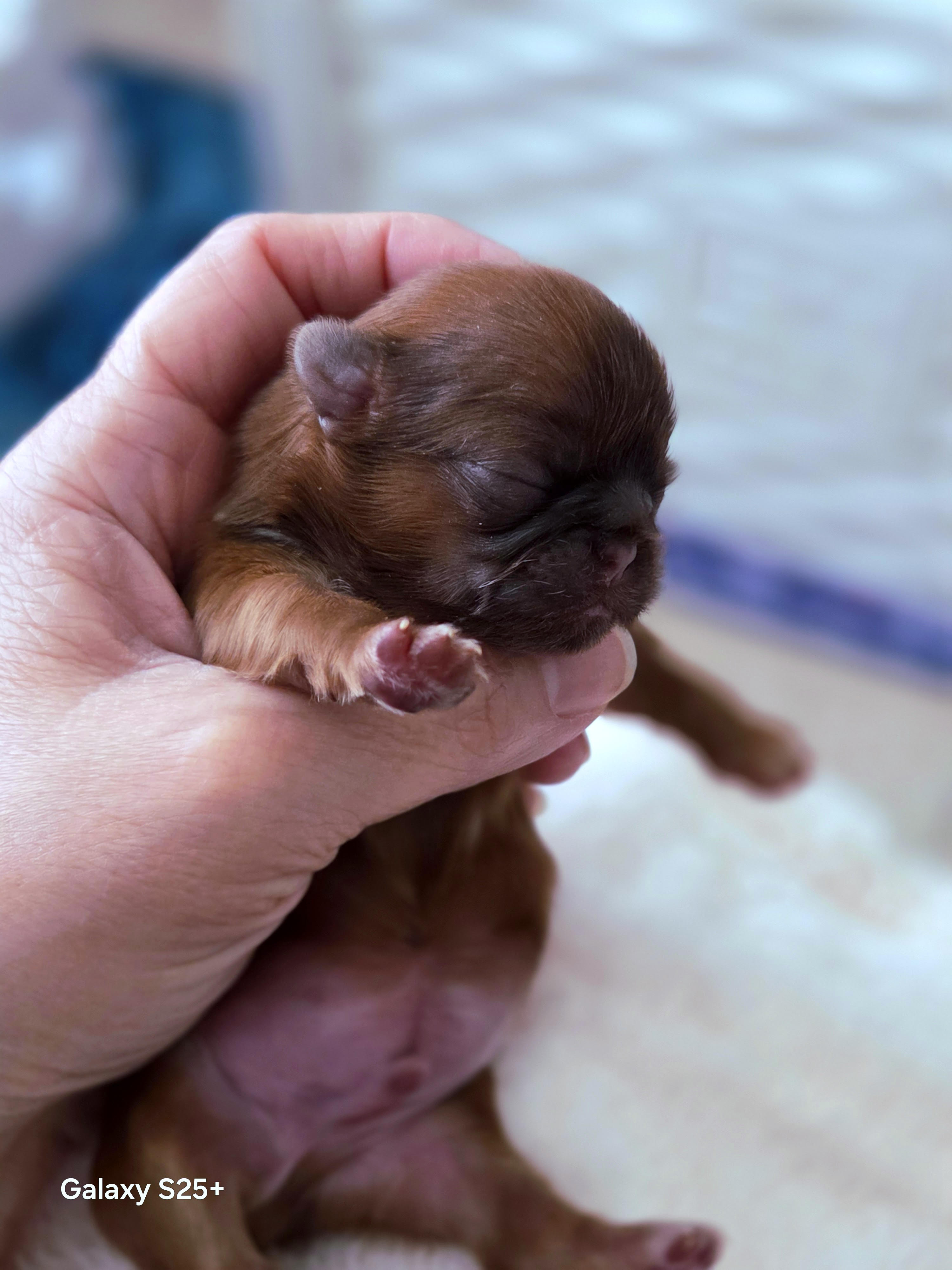
Puppy-proofing your home
Before your Shih Tzu puppy comes home, walk through each room at puppy height — literally get on your hands and knees — and look for anything that could be chewed, knocked over, fallen into, or swallowed.
The most important areas to address:
Feeding your new puppy
Aleka Shih Tzu puppies leave home eating the food Renee has been feeding them. For the first two weeks, continue on the same food. Any dietary transition should be gradual — a sudden food switch is one of the most common causes of digestive upset in new puppies.
Feeding guidelines for toy breed puppies:
- Puppies under 12 weeks: free feed — keep food available at all times so they can eat whenever they need to. This prevents blood sugar crashes and lets tiny tummies graze naturally.
- Puppies 3–6 months: 3 meals per day.
- Puppies 6–12 months: transition to twice-daily feeding.
- Fresh water should be available at all times.
Avoid feeding from the family table. Human foods that are particularly dangerous for dogs include grapes and raisins, onions and garlic (in any form), xylitol (sugar substitute in many products), chocolate, macadamia nuts, and alcohol. Even small amounts of some of these can cause kidney failure or worse.
Choose a high-quality small-breed puppy food with real protein as the first ingredient. Your veterinarian is your best resource for specific brand guidance based on your puppy's individual needs.
Crate training and safe spaces
Crate training is one of the most valuable things you can do for a new puppy. A properly introduced crate becomes a secure retreat — a place your Shih Tzu chooses to sleep, decompress, and settle in.
Tips for crate setup:
- Choose a crate just large enough for the puppy to stand, turn around, and lie down comfortably. Too large, and puppies may use a corner as a bathroom.
- Line it with a soft blanket and, if possible, a small piece of clothing with your scent.
- Place the crate in a family area, not isolated — Shih Tzus are companion dogs and want to feel near their people even while resting.
- Never use the crate as punishment. It should always be associated with positive things: treats, meals, quiet time.
- Keep crate time to 2–3 hours maximum for very young puppies. Their bladder control is limited and their need for interaction is high.
Designating a safe, gated area of the home when you can't actively supervise is equally important. Exercise pens or baby gates allow the puppy freedom while keeping them out of hazardous areas.
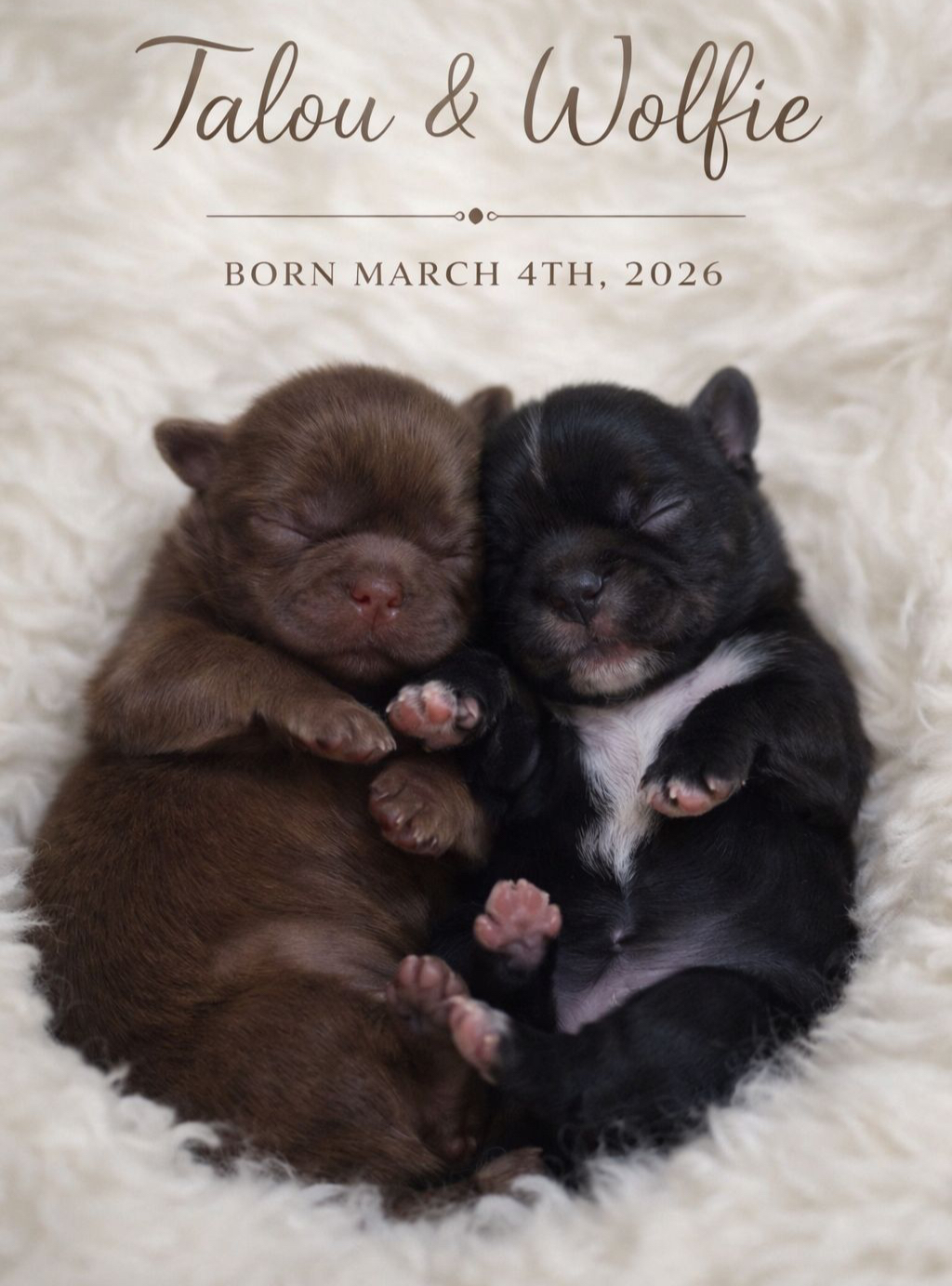
Early socialization: the window that doesn't come back
The socialization window for puppies is roughly 3–14 weeks of age, with a secondary period extending to about 16–20 weeks. During this time, positive exposure to different people, environments, sounds, surfaces, and experiences shapes the dog's confidence and temperament for life.
Renee begins socialization before puppies leave her home — but the work continues with you.
Priority socialization experiences for your Shih Tzu:
- Handling — gently touch paws, ears, mouth, and tail regularly so grooming and vet exams are stress-free forever.
- People — expose the puppy to people of different ages, appearances, and voices in calm, positive ways.
- Surfaces — wood floors, tile, grass, gravel, and carpet. Puppies who only know carpet can be startled by hard floors at a later age.
- Sounds — thunder, traffic, vacuum cleaners, hairdryers, children playing, and the TV. Play these at low volume during feeding for positive association.
- Car rides — short, positive trips build tolerance for travel.
Until your puppy is fully vaccinated, keep them off the ground in public spaces and around unknown dogs. Carry them in busy areas and host small puppy playdates at home with vaccinated dogs you know and trust.

First vet visit: what to bring and what to expect
Schedule your puppy's first wellness exam within 48–72 hours of bringing them home. This is not because something is wrong — it's an important baseline, and it connects your puppy with a veterinary team before anything urgent comes up.
What to bring:
- Your puppy's health records and vaccination history from the breeder.
- A fecal sample (collected within 24 hours) for parasite screening.
- A list of questions you have — write them down in advance; you'll think of them more clearly at home than in the exam room.
- The food you're currently feeding, or at minimum its name and manufacturer.
What the vet will typically cover:
- Full physical examination — heart, lungs, eyes, ears, teeth, abdomen, limbs, and skin.
- Hernia check (if applicable).
- Parasite screening and deworming if indicated.
- Vaccine schedule review — your puppy will need boosters every 3–4 weeks until 16 weeks of age.
- Flea, tick, and heartworm prevention discussion.
- Spay/neuter discussion and timing recommendation.
Establish a relationship with a veterinary practice before an emergency happens. Ask if they offer after-hours guidance or have a partner emergency clinic — and save both numbers in your phone.
Quick-reference: when to call the vet
When in doubt, call. Most veterinary practices are happy to give a quick phone triage and tell you whether to come in. Trust your instincts — you know your puppy, and concern is always worth a phone call.
Call or go in same day for:
- Any sign of hypoglycemia that doesn't resolve within 15–20 minutes of emergency sugar supplementation.
- Labored breathing at rest, blue or pale gums, or collapse.
- A hernia that becomes hard, hot, painful, or discolored.
- Vomiting or diarrhea more than twice in a few hours, or any blood in either.
- No eating for more than 12–18 hours in a very young puppy.
- Suspected ingestion of a toxin — call ASPCA Poison Control (888-426-4435) and your vet simultaneously.
- Seizures, severe trembling, or loss of consciousness.
Normal things that don't require an emergency trip:
- A brief episode of reverse sneezing.
- Mild, clear nasal discharge during teething.
- A soft, small hernia the breeder has already identified and your vet has examined.
- Occasional loose stool during the first few days of transition to a new home.
Sources & References
See our available hand-raised AKC Shih Tzu puppies, or start your application.